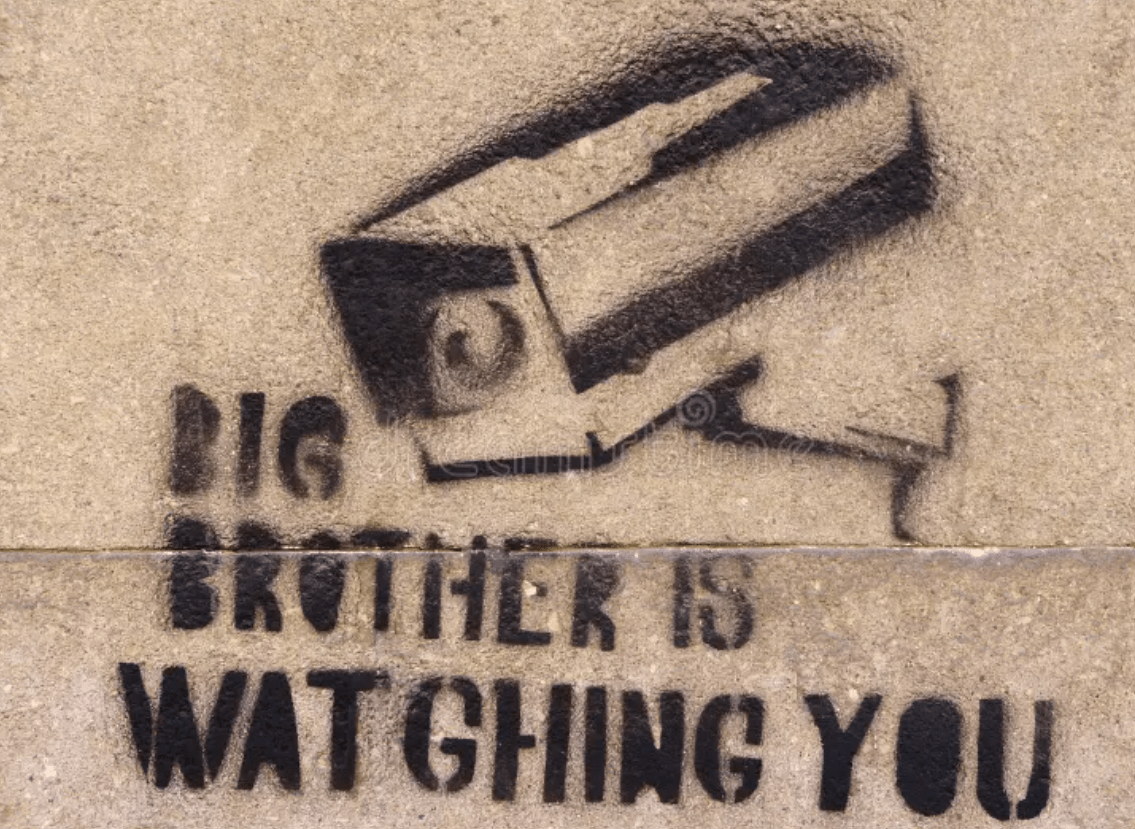
No two-step verification needed, thank you very much.
We’ve spent years assuming the resurgence of print media was driven by nostalgia, but the next wave of print's popularity may have very little to do with looking backwards.
For a long time, digital media was defined by absolute freedom, open access, anonymous browsing, and infinite choice. But that era is ending. We are rapidly shifting into a world of age verification, identity checks, content restrictions, parental controls, and increasing platform regulation. Whether this shift is good or bad, it fundamentally changes how we experience media, and for the first time in a generation, a massive portion of the digital world is becoming authenticated.
A magazine doesn't know your age, it doesn't require a login, and it doesn't track your behaviour to build a profile or optimise what you see next. It simply exists.
For independent publishers, this creates an entirely new argument for their medium. We have always championed magazines as trusted, tactile, and curated. They are increasingly becoming one of the last truly private media environments. This is not private in a political sense, but in a human one, a quiet space where your curiosity isn’t monitored, and your attention isn't harvested and converted into data.
This shift is going to be incredibly relevant for Gen Z. If they grow up in a digital world that constantly requires verification and authentication, print starts to represent something quite unusual: the freedom to explore without being observed.
Print isn't valuable today because it's old; it's valuable because it's independent. And over the next decade, that unmonitored independence may prove to be its most valuable quality.