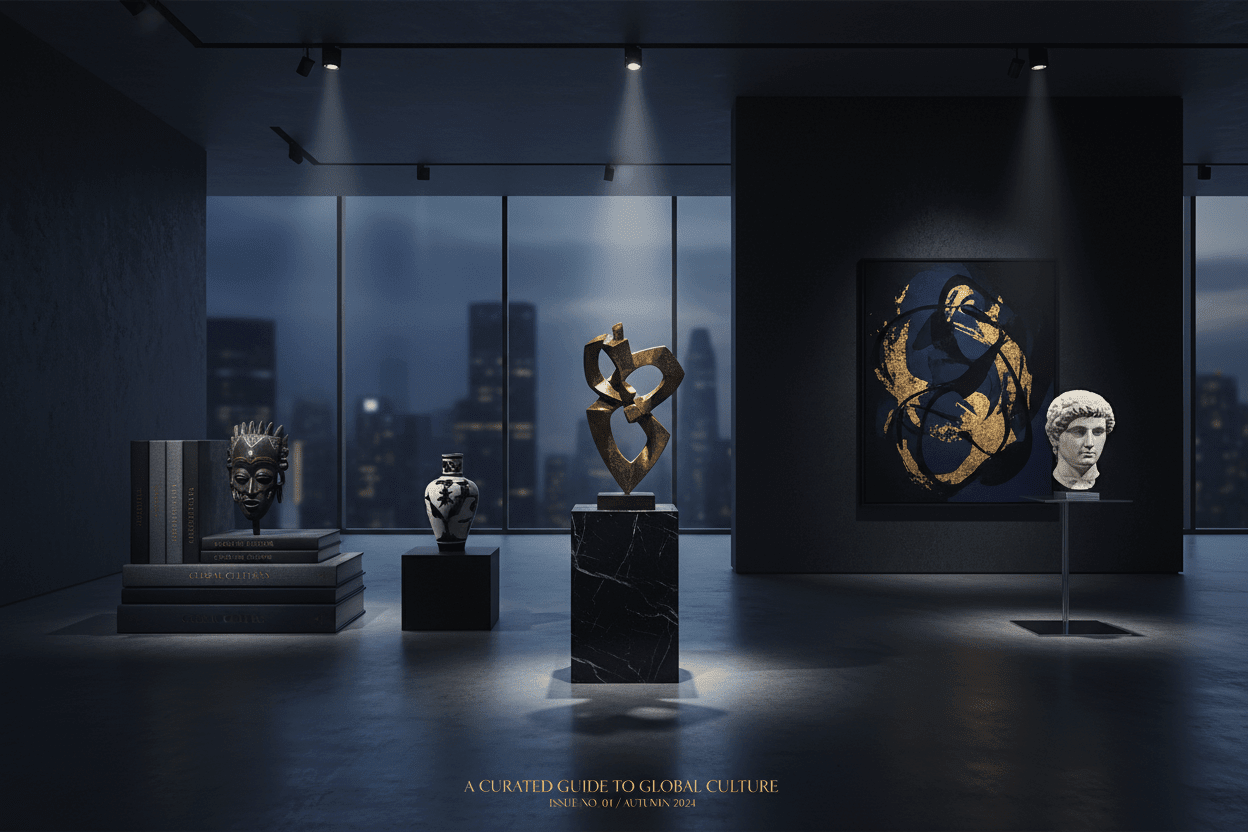
Article: Boutique Galleria - The musings of a paper evangelist
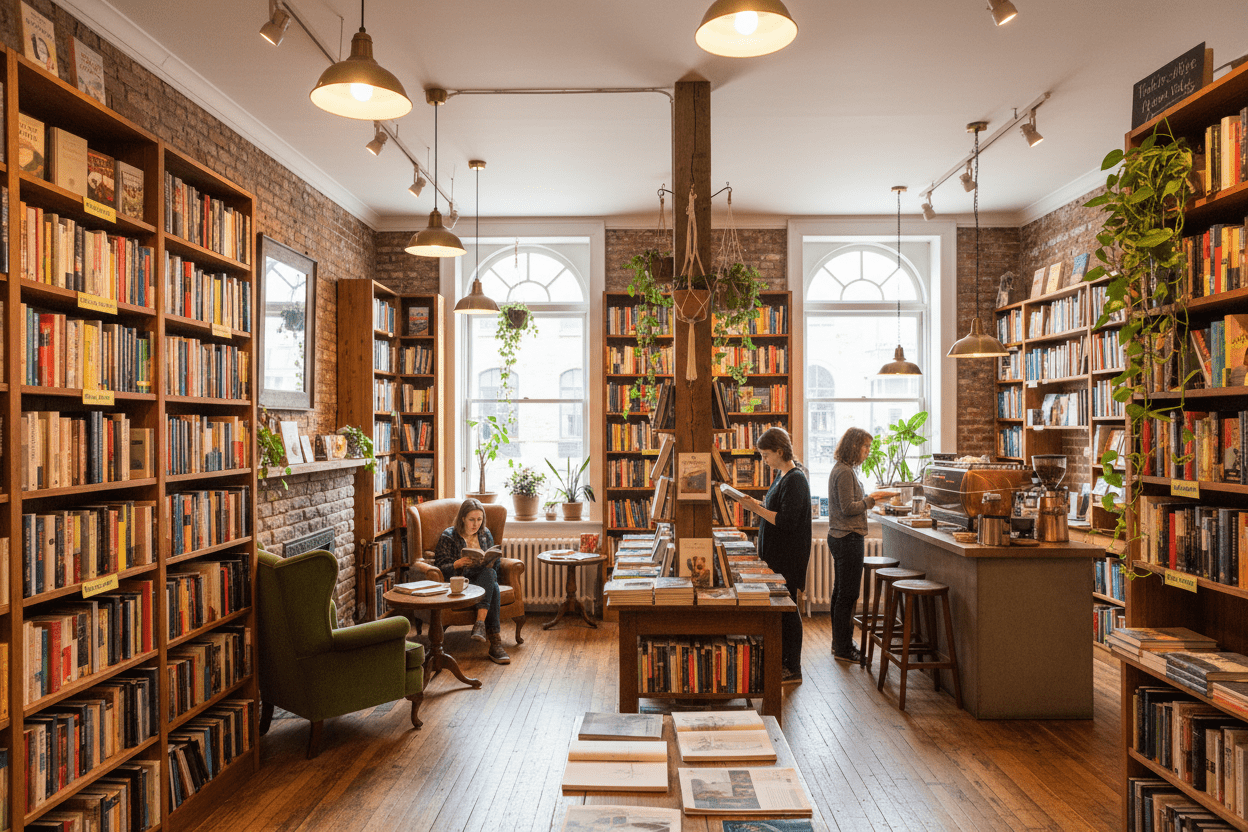
Boutique Galleria - The musings of a paper evangelist
The year 2026 marks a significant milestone in what many are calling an independent bookstore renaissance, where the allure of the physical object has successfully challenged digital dominance. This era is defined by a deep appreciation for the tangible benefits of print, such as the specific texture of paper and the curated context that a physical layout provides for imagery.
The Curated Retail Experience
Specialist retailers have become essential "hubs" for culture, blending retail with community building and artistic discourse.
• Boutique Galleria and its portal, BoutiqueMags.com, represent this shift as a "chic, curated space" for the "new breed of bespoke, well-designed" publications.
• In Berlin, do you read me?! continues to serve as an "inspiring magazine and bookshop" focusing on everything from fashion to culture and society.
• London's magCulture shop recently celebrated ten years of its physical presence, proving that an "IRL space" offers unique advantages that algorithms cannot replicate.
• Other iconic spaces like Yvon Lambert in Paris and Perimeter Books in Melbourne bridge the gap between shop, gallery, and publishing house, offering a "unique retail experience".
Niche Magazines: From Sustainability to Slow Journalism
The editorial landscape in 2026 is diverse, with publications focusing on highly specific, often socially engaged themes:
• Sustainability is a primary driver, with magazines like Lampoon identifying culture as "Sustainable Thinking" and facilitating dialogues between science and creativity.
• Slow journalism remains a powerful movement; the award-winning Delayed Gratification has now reached its 15th anniversary, proving the enduring value of being "last to breaking news".
• Food culture is thriving through "hedonistic" explorations in titles like Cake Zine, which uses sweets to examine history and pop culture.
• Bold, experimental titles like BL8D tackle profound themes such as mortality and storytelling, often influenced by the ongoing impact of global conflicts.
The Global Fair Circuit and Independent Discourse
Independent publishing is bolstered by a worldwide network of book fairs that serve as "public meeting places" for discourse.
• Miss Read: The Berlin Art Book Fair remains a cornerstone for community building and exploring the "possibilities of the book".
• Offprint Paris and Offprint London (held at the Tate Modern) continue to host over 150 independent experimental publishers, attracting tens of thousands of visitors.
• The Tokyo Art Book Fair 2025 set a precedent for 2026 by focusing on Italy's revolutionary press history, highlighting the long tradition of the "independent press".
Specialist Making and Archive Preservation
Organisations like the London Centre for Book Arts provide vital "open-access" resources for artists, ensuring the craft of bookbinding and printmaking is preserved. Meanwhile, publishers such as Book Works and Archive Books focus on "artistry as a tool for envisioning alternative futures," often highlighting diasporic perspectives and "embodied resistance". This commitment to the archive ensures that forgotten artists and "forgotten stories" are brought back into the cultural consciousness.
In 2026, the independent publishing world is less about mass consumption and more about curation, care-driven innovation, and the "magic of serendipity" found on a physical shelf.
Analogy: Navigating the world of niche magazines in 2026 is like wandering through a meticulously tended garden; while the digital world offers a fast-moving, boundless sky, these publications provide a grounded, sensory experience where every "seed" of an idea is given the specific soil it needs to flourish.