Set the table: a guide to independent food magazines
Food was late to the independent magazine shelf, and it arrived with something to prove. For years the subject belonged to supermarket monthlies and recipe supplements — useful, disposable, gone by the weekend. The independent food magazines that have appeared over the last decade made the opposite case: that what and how we eat is a serious cultural subject, worth the same photography, design and editorial attention that independent publishing already gave to fashion and art. We have followed the category closely, and the strongest titles now sit comfortably among the luxury magazines and books we rate most highly.
What changed was ambition. A good food magazine today is less a collection of recipes than a portrait of a place, a person or a way of living, told through the table. The cooking is still there, but it is the way in.


What the best independent food magazines understand
The best independent food magazines understand that food is rarely only about food. It is about migration, memory, labour, family and money — and the editors who treat it that way produce issues that hold up long after the meal is forgotten. A recipe dates; a well-reported piece on a fishing town, a market or a grandmother's kitchen does not.
That seriousness shows in the production. These are titles printed on heavy stock, shot like fashion editorial, and paced like a long read rather than a listicle. The photography has to make you hungry and make you think at once, which is harder than either on its own. It is why the category belongs with collectible print rather than the news-stand, and why people keep the issues rather than recycling them.
Three titles from the shelf
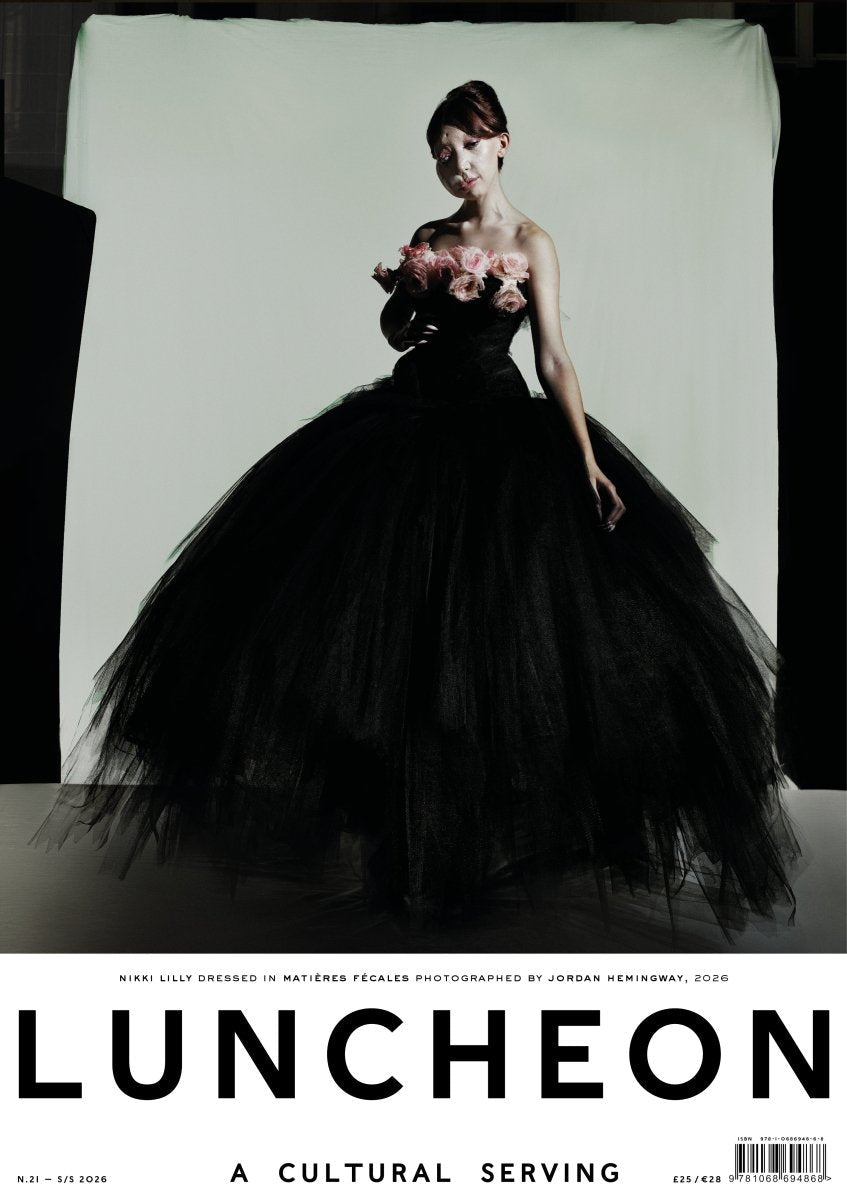
A few of the titles we stock show the range of the field. Luncheon works from a single, generous premise — that the lunch table is where culture actually unfolds — and gathers photographers, chefs, designers and writers around it. Issue 21 carries the kind of photography you would expect from a fashion biannual, Paolo Roversi included, which is precisely the point: food, fashion and art treated as one conversation rather than separate shelves.
RiCE, from Japan, takes the opposite scale and is no less ambitious. Issue 35 turns to Yokohama, Japan's first treaty port, and reads its food culture as a way into the city's history — quiet, specific, and made with the understated care Japanese magazines do so well. It is a reminder that the best food writing is often local writing.
Tastebound is the newest of the three and the most plainly designed for now. A print-first, design-led travel magazine rooted in food, its third issue — Escape the Algorithm — sets itself directly against the feed: recipes, interviews and reporting made to be read slowly, on paper, away from the scroll. At under six pounds it is also the easiest way into the category for a new reader.
Food, design and the rest of the shelf
What unites these titles is that they are as much design magazine as recipe book. Type, paper, grid and sequence are doing as much work as the writing, and the people who make them tend to come from the same world as the art magazines and fashion magazines they sit beside. Put a food title next to an art journal and a design magazine and the shelf starts to talk to itself — they share an idiom, image-led and culturally literate, and they are all made as objects to return to rather than to read once.
This is why we do not file food away in a corner. A reader who buys across disciplines — a food quarterly, a culture title, a well-made travel issue — ends up with a far more interesting shelf than someone who stays inside a single category.
Why following the independents matters
Independent food magazines live on sell-through in the same way the rest of independent publishing does. Print runs are short, each issue is funded by the last one selling, and there is no mass-market cushion underneath. Buying from an independent retailer rather than a platform means more of what you pay reaches the small teams who actually make the work, and setting up magazine subscriptions to the titles you return to is the most reliable form of support, because it lets a publisher plan a print run with some confidence.
For readers in Britain the position is good: the range of independent and imported food titles available to UK magazines buyers has rarely been wider, and a considered selection means someone has already done the looking.
Where to begin with us
If food in print is new to you, Tastebound is an easy and inexpensive start, with Luncheon the title to reach for when you want the full object. Both sit within our wider lifestyle selection, alongside the travel and culture titles they speak to. You can buy magazines online directly from the selection, or follow the publishers whose work you keep coming back to and let the shelf grow at its own pace.
Food earns its place in print when it is treated as culture rather than convenience. On the right shelf, it usually is.